Effective Strategies for Managing Sickle Cell Pain


Article Overview
Purpose of the Article
Sickle cell disease (SCD) presents one of the most intense challenges in pain management within the realm of chronic illnesses. This article aims to provide a comprehensive examination of pain associated with SCD, dissecting its underlying mechanisms, treatment options, and the multifaceted psychosocial dimensions affecting patients' experiences. By unraveling the complexities of pain management in SCD, healthcare practitioners, caregivers, and the wider community can foster strategies that significantly enhance the quality of life for those affected by this condition.
Relevance to Multiple Disciplines
The topic of managing pain in SCD transcends the boundaries of medical discipline, making it crucial for various professionals to engage. Physicians and nurses must comprehend pain management protocols, while pharmacists are pivotal in ensuring that medication regimens are effective and align with patients' needs. Social workers can address the support systems that play a critical role in patients' overall wellbeing. Moreover, educators need to understand the disease's impact on learning, while researchers may explore innovative treatment approaches to alleviate pain. This collective understanding is vital for developing holistic, patient-centered care for individuals suffering from sickle cell disease.
Research Background
Historical Context
Sickle cell disease was first identified in the early 20th century, with the first documented case in 1910. The discovery of this hereditary condition marked a significant advancement in understanding genetic disorders. Over the years, as medical science progressed, awareness of SCD has expanded, revealing its unique challenges—chiefly, the unpredictable nature of its painful episodes. This history has laid the groundwork for modern approaches to pain management, integrating both traditional methods and novel therapeutic interventions.
Key Concepts and Definitions
Understanding SCD requires familiarity with certain key concepts:
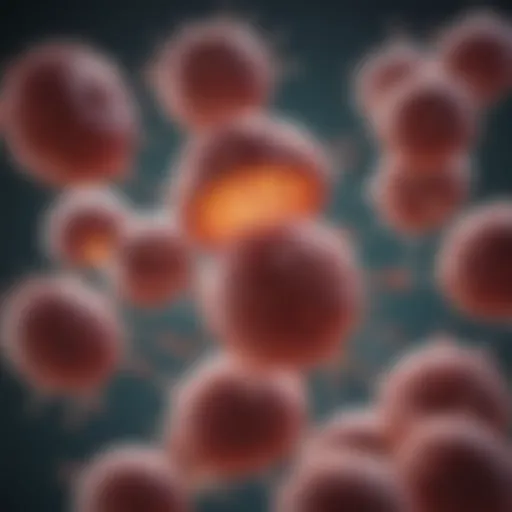
- Sickle-shaped red blood cells: Normal red blood cells are flexible and round, while in SCD, these cells take on a rigid, sickle shape. This abnormal shape can cause blockages in blood vessels, leading to severe pain.
- Pain crises: These episodes, also known as sickle cell crises, can vary widely in duration and intensity. Factors such as dehydration, stress, and temperature changes can trigger these painful events.
- Crisis management: This refers to the strategies and interventions deployed to alleviate pain during crises, which can include pharmacological treatments, hydration, and psychological support.
With an enriched understanding of these foundational elements, we can dive deeper into the specifics of managing pain within this challenging context.
Prelims to Sickle Cell Disease
Understanding sickle cell disease is crucial for both patients and healthcare professionals alike. This condition doesn’t just affect physical health; it influences emotional well-being and overall quality of life. As such, recognizing the disease's underlying mechanisms can aid in better management of pain, a prominent symptom many face.
The significance of this exploration extends to fostering informed discussions among healthcare providers, educators, and the communities affected. Knowledge is a powerful tool, and for patients with sickle cell disease, it can pave the way for improved outcomes.
Definition and Background
Sickle cell disease (SCD) is a hereditary blood disorder characterized by the production of abnormal hemoglobin, known as hemoglobin S. This malformation causes red blood cells to take on a crescent or sickle shape instead of the usual disc shape. The sickled cells are rigid and sticky, which can lead to blockage in blood vessels and, consequently, pain and organ damage.
The condition is inherited in an autosomal recessive pattern; this means that a child must receive one sickle cell gene from each parent to be affected. If only one sickle gene is inherited, the individual is considered a sickle cell trait carrier, which typically does not lead to symptoms.
Sickle cell disease's impact can vary widely from one person to another, making it a complex area of study. Its manifestation is significantly influenced by genetic factors, access to medical care, and lifestyle choices.
Epidemiology and Demographics
Globally, sickle cell disease affects millions of individuals, predominantly those of African, Mediterranean, Middle Eastern, and Indian descent. According to estimates, around 300,000 newborns are diagnosed with SCD each year. The WHO recognizes this as a significant public health issue, particularly in regions with limited access to healthcare. In the United States, around 100,000 people have the disease, with a higher prevalence in African American populations.
Additionally, the life expectancy of individuals with sickle cell disease has improved, yet they still often face debilitating pain and related complications. Various community health initiatives and educational programs are in place to assist those affected, particularly in understanding their condition and managing symptoms effectively.
"A well-informed patient is often better equipped to manage their condition, leading to enhanced quality of life."
"A well-informed patient is often better equipped to manage their condition, leading to enhanced quality of life."
This section sets the tone for a deeper dive into the multifaceted aspects of sickle cell disease, especially regarding pain management strategies. Recognizing the disease's prevalence and various manifestations is essential as we move forward in exploring effective treatment pathways.
Understanding Sickle Cell Pain
Managing pain effectively in sickle cell disease is paramount because pain is not just a symptom but a significant aspect that defines the lives of those afflicted. The nature of the pain experienced can vary drastically, ranging from acute crises to chronic discomfort, making understanding it essential for both healthcare providers and patients alike. By grasping the mechanisms that give rise to these painful episodes, individuals can engage in conversations with their doctors about treatment plans more informatively. Furthermore, understanding the nuances of sickle cell pain can guide psychological support strategies, helping patients cope with their unique challenges.
Pathophysiology of Pain in SCD
The pain in sickle cell disease primarily arises from vaso-occlusion. This occurs when the sickled red blood cells obstruct small blood vessels, leading to ischemia in the surrounding tissues. As the blood flow is impeded, oxygen supply dwindles, resulting in cellular damage and inflammation. It’s critical to recognize that this is not merely a physical phenomenon; there is a significant psychological component. The anticipation of pain can trigger anxiety and dread, which may additionally exacerbate the pain experience.
Another layer of complexity comes from the variability of episodes. Some patients might experience frequent pain crises, while others face less predictable, but equally intense, episodes. Understanding this variability is key as it influences treatment and management strategies, ranging from medications to lifestyle alterations.
Types of Pain Crises
Pain crises in sickle cell disease can generally be categorized into three distinct types, each characterized by its own unique features, triggers, and implications for treatment.
Vaso-occlusive crises
Vaso-occlusive crises are by far the most recognizable type of pain episode associated with sickle cell disease. These crises are marked by sudden, severe pain that can occur anywhere in the body, but most commonly in the chest, abdomen, joints, and bones. The key characteristic of vaso-occlusive crises is the sharp and often debilitating nature of the pain, which can lead to significant distress and requires immediate medical intervention.
The benefit of discussing vaso-occlusive crises in this article lies in their prevalence; they serve as a focal point for treatment discussions. Understanding triggers—such as dehydration, stress, and exposure to extreme temperatures—can help patients recognize early warning signs and adopt preventive measures. However, the disadvantage is that these crises can often be unpredictable, leading to a sense of helplessness when patients cannot foresee when they might occur.
Aplastic crises
Aplastic crises, while less common, are another significant source of pain in sickle cell disease. They occur when there is a sudden decrease in the production of red blood cells, which can lead to severe anemia. The key characteristic here is a marked fatigue that often accompanies the pain, as the body struggles to cope with reduced oxygen-carrying capacity. This type of crisis may not only result in pain due to tissue hypoxia but also feeling of weakness, making daily activities challenging.
Aplastic crises highlight the importance of regular blood monitoring and transfusion if necessary. Their unique feature of causing weakness can significantly hinder a patient’s quality of life, emphasizing how intertwined different health aspects are in sickle cell disease.


Splenic sequestration crises
Splenic sequestration crises occur when sickle-shaped red blood cells block blood flow to the spleen, causing it to enlarge and leading to abdominal pain and, potentially, hypovolemic shock. This type of crisis is particularly alarming due to its acute nature and can escalate quickly, requiring immediate medical attention. The recognition that splenic sequestration can quickly become life-threatening adds another layer of urgency for management.
The key aspect of splenic sequestration crises is that they typically require more intensive treatment, usually hospitalization, to stabilize the patient. The unique feature is that these crises can occur suddenly and without warning. Therefore, their discussion is crucial within the context of education and awareness, stressing the importance of understanding one’s body and being proactive in management is crucial.
Pharmacological Management of Pain
Pharmacological management of pain associated with sickle cell disease (SCD) is crucial since individuals with this condition often experience recurrent and severe pain crises. Effective pain relief can significantly enhance the quality of life for those affected. The goal here is to tailor treatments to not only alleviate pain but also to handle any complex side effects associated with the medications used. This section will focus on various classes of medications, especially opioids, non-opioids, and adjuvant medications, and discuss their roles in providing significant relief for patients.
Opioids and Non-opioids
Opioids and non-opioids are the foundational pillars in the pharmacological landscape for managing SCD-related pain. Due to the often acute and unpredictable nature of pain that arises from sickle cell crises, these medications are essential in pain management strategies.
Targeted opioid therapies
Targeted opioid therapies involve the careful selection and use of specific opioid medications to address the particular pain needs of SCD patients. Unlike traditional pain relief approaches, targeted therapies focus more on adjusting dosages based on individual pain responses. A key characteristic is the emphasis on minimizing side effects while maximizing pain control.
The benefit of these therapies is their ability to offer substantial pain relief, allowing patients to return to their daily activities. However, unique challenges arise with the chronic nature of SCD and the potential for developing tolerance or dependency on opioids. Thus, healthcare providers must consider these factors when prescribing.
NSAIDs and their applications
Nonsteroidal anti-inflammatory drugs (NSAIDs) play a significant role in managing mild to moderate pain associated with SCD. These medications are pivotal due to their dual action: alleviating pain and reducing inflammation. The key characteristic of NSAIDs in this context is their accessibility and effectiveness in handling acute episodes without the more severe side effects that opioids may cause.
One unique feature of NSAIDs is their relatively rapid onset of action, making them suitable for immediate pain management. However, it’s also essential to be aware of the disadvantages, such as gastrointestinal issues or potential kidney damage with long-term use, particularly in the delicate balance of hydration that SCD patients must maintain.
Adjuvant Medications
Adjuvant medications can bolster the effects of primary pain relievers, contributing to a more comprehensive pain management approach. These drugs modify or enhance analgesic effects and can sometimes target underlying mechanisms of pain.
Antidepressants
Antidepressants, particularly certain types such as tricyclics or dual-action medications, can be beneficial in treating neuropathic pain, which some SCD patients experience. Their key characteristic lies in their ability to alter pain perception and improve mood simultaneously. This dual action makes them valuable in circumstances where both pain and psychological distress intersect.
This approach to pain management is gaining traction because of its effectiveness in enhancing patient outcomes. However, potential side effects, such as sedation or weight gain, require careful monitoring.
Anticonvulsants
Anticonvulsants can also serve a pivotal role in managing nerve pain—distinct from the somatic pain often associated with SCD crises. Medications like gabapentin and pregabalin act by stabilizing nerve activity, which offers noticeable pain relief for some patients. Their unique feature is how they directly address the nerve signals that can exacerbate pain sensations.
The appeal of using anticonvulsants stems from their safer profile compared to opioids. While they present fewer addiction issues, side effects like dizziness or cognitive impairment may arise, necessitating discussions about risks and benefits among healthcare providers and patients.
The proper pharmacological management of pain in sickle cell disease is essential for improving patient quality of life and reducing the frequency of pain crises.
The proper pharmacological management of pain in sickle cell disease is essential for improving patient quality of life and reducing the frequency of pain crises.
The landscape of pharmacological options is vast and must be navigated with care. This careful selection and combination of medications can facilitate a more individualized approach, ultimately enhancing the management of pain associated with sickle cell disease.
Non-Pharmacological Approaches
The management of pain in sickle cell disease (SCD) extends beyond medications. Non-pharmacological approaches play a vital role in offering relief and improving overall quality of life for individuals living with this condition. These strategies not only address physical discomfort but also tackle emotional and psychological aspects that often accompany chronic pain. Integrating these methods can lead to more comprehensive and effective pain management strategies. Here’s a deep dive into the various avenues available and their benefits.
Cognitive Behavioral Therapy (CBT)
Cognitive Behavioral Therapy (CBT) has emerged as a significant intervention for individuals managing the psychological impacts of pain related to SCD. This therapy helps patients change their patterns of thinking and behavior which can exacerbate pain. By fostering a better understanding of pain perception and self-management techniques, CBT equips patients with tools to cope effectively. For instance, someone might learn to reframe their thoughts from "I can’t handle this pain" to "This pain is temporary, and I have strategies to manage it."
CBT often involves several structured sessions with a trained therapist who guides patients through exercises aimed at challenging negative thoughts. The ultimate goal here is to reduce the emotional distress related to pain, which often improves patients' overall coping skills and enhances their strategies in dealing with flare-ups. This approach demonstrates the interconnection between mind and body in the experience of pain.
Physical Therapy and Exercise
Physical therapy is another cornerstone of non-pharmacological pain management for SCD. Tailored exercise programs can help improve physical function and reduce the frequency and severity of pain crises. Regular physical activity not only strengthens the body but also enhances circulation, which is particularly beneficial in SCD where blood flow issues can trigger pain. Simple activities like stretching, walking, or specific exercises prescribed by a physical therapist can make a world of difference.
Beyond physical benefits, engaging in exercise can also uplift one’s mood. The endorphins released during physical activity act as natural pain relievers, creating a positive feedback loop. However, it is important to note that exercise programs should be personalized to a patient’s specific limitations and needs, ensuring safety and efficacy without pushing them over the edge.
Complementary and Alternative Medicine
The integration of complementary and alternative medicine (CAM) approaches offers varied options for those affected by SCD. This multi-faceted category includes practices like acupuncture and massage therapy, both known for their ability to alleviate pain albeit through different mechanisms.
Acupuncture
Acupuncture is a practice rooted in traditional Chinese medicine where fine needles are inserted into specific points on the body. It aims to stimulate nerve pathways and improve energy flow, potentially alleviating pain associated with sickle cell disease. Notably, one of the key characteristics of acupuncture is its holistic approach, focusing not solely on pain relief but on overall well-being. This makes it a beneficial choice for patients seeking alternatives to conventional medication.
However, it’s crucial for patients to consult with practitioners experienced in treating SCD, as individual experiences with acupuncture can vary. Some individuals find substantial relief, while others may not notice any improvement. The variable responses to acupuncture illustrate the importance of personalized care in managing sickle cell pain.
Massage Therapy


Massage therapy has gained recognition as another complementary technique effective in pain management for SCD patients. By manipulating soft tissues, massage can relieve muscle tension and improve blood circulation, both of which are beneficial in managing pain crises. The key characteristic of massage therapy lies in its immediate physical effects, providing a sense of relaxation and well-being right after the session.
That being said, patient preference should guide the type of massage used. Techniques such as Swedish massage may be more appealing for some, while others might prefer deeper tissue work. The essential point is that the tools and techniques should align with the individual's comfort and needs. Potential advantages include a significant reduction in perceived pain levels and anxiety, while disadvantages may involve temporary soreness or discomfort post-therapy.
In summary, non-pharmacological approaches are not just ‘nice to have’ but are crucial elements of a comprehensive pain management strategy for individuals with sickle cell disease. Exploring these avenues not only enriches the quality of life but also empowers patients in their journey of self-management.
Role of Hydration and Nutrition
Maintaining proper hydration and nutrition plays a critical role in managing the pain associated with sickle cell disease (SCD). Individuals with SCD often experience vaso-occlusive crises, where sickle-shaped blood cells block blood vessels, causing severe pain and complications. Adequate fluid intake and good nutrition can significantly mitigate these risks and promote a better quality of life. These elements not only help to prevent painful episodes, but also support overall health and wellness for those living with SCD.
Importance of Fluid Intake
Fluid intake is essential in managing sickle cell disease, as dehydration can exacerbate pain crises. The sickle-shaped cells in a dehydrated body are more likely to clump together and obstruct blood flow. Ensuring adequate hydration can keep the blood volume stable and reduce the likelihood of these painful blockages.
"Staying well-hydrated is not merely a suggestion; it's a critical component of managing life with sickle cell disease."
"Staying well-hydrated is not merely a suggestion; it's a critical component of managing life with sickle cell disease."
Liquid intake should be approached with intention, especially during hot weather or periods of illness. Patients should aim for at least 3 to 4 liters of fluids daily, more if physical activity is increased. Simple hydration methods can include:
- Drinking water throughout the day
- Consuming hydrating foods, such as cucumbers, watermelons, and oranges
- Utilizing oral rehydration solutions when necessary
Ultimately, while hydration is vital, individuals should also consider their own bodies and adjust fluid intake based on personal needs and reactions.
Nutritional Considerations
Diet also plays an influential role in managing sickle cell disease. Eating a balanced and nutritious diet can help support the body’s defenses and improve resilience against the challenges posed by this condition.
Special Dietary Needs
Individuals with sickle cell disease often require special dietary needs that are rich in certain nutrients. For example, foods that promote red blood cell production, such as lean meats, legumes, and leafy greens, are especially beneficial. Moreover, meals high in antioxidants—like berries and nuts—can combat oxidative stress that may worsen sickle cell symptoms.
The key characteristic of special dietary needs in SCD management is focusing on nutrients that enhance blood health and immune function. Such a diet is not just advantageous; it is crucial for the day-to-day management of the condition.
However, one unique aspect to keep in mind is that while these foods are generally beneficial, certain dietary choices may need to be tailored to individual culinary preferences or health restrictions, always in accordance with a healthcare provider's guidance.
Vitamins and Minerals
The inclusion of specific vitamins and minerals is essential for people with sickle cell disease. Important vitamins include folic acid, as it aids in red blood cell formation, and vitamin D, which is vital for bone health.
The main feature of vitamins and minerals in this context lies in their ability to support various bodily functions, especially during pain crises. A well-rounded intake of these nutrients can assist in minimizing fatigue and bolstering overall wellness.
Nonetheless, it is imperative to be cautious with supplementation. Excessive doses can lead to adverse effects, so consulting with a healthcare professional before adding any vitamins to a diet is advisable.
For more resources on sickle cell disease and management strategies, visit CDC and NIH.
Psychosocial Impacts of Pain
Understanding the psychosocial impacts of pain in sickle cell disease (SCD) is crucial for both healthcare professionals and patients. Pain isn't merely a physical sensation; it weaves into the fabric of daily living, affecting emotional health, interpersonal relationships, and overall quality of life. The experiences of those living with SCD can be deeply influenced not just by the severity of their pain, but also by the attitudes and perceptions surrounding that pain.
For individuals living with SCD, pain often leads to feelings of frustration, anxiety, and even despair. This can create a downward spiral where pain exacerbates mental health challenges, further diminishing emotional well-being. Being aware of these dynamics allows for a more empathetic approach to treatment, emphasizing the need for holistic care that encompasses both physical symptoms and emotional support. It also highlights the importance for caregivers and support systems to recognize the mental burdens that pain can impose.
Emotional Well-being
The emotional landscape of someone with SCD is often fraught with challenges. Chronic pain can contribute to conditions like depression and anxiety, forging a complicated relationship between mental and physical health. Individuals may feel isolated, not just because of their pain, but also due to a lack of understanding from friends or family. This sense of isolation can be incredibly harmful, leading to a feeling of being trapped in a cycle of pain and hopelessness.
Moreover, the unpredictability of pain crises can foster a persistent state of anxiety. Patients may constantly worry about when the next episode will strike, which can inhibit their ability to engage in social activities or pursue career goals. To combat these emotional burdens, it’s essential to integrate emotional well-being strategies into pain management plans. Therapeutic interventions like Cognitive Behavioral Therapy (CBT) can provide significant benefits, helping patients develop better coping mechanisms and reduce anxiety related to their condition.
"Pain not only affects the body but also seeps into the mind, shaping how individuals view themselves and their world."
"Pain not only affects the body but also seeps into the mind, shaping how individuals view themselves and their world."
Strategies to improve emotional well-being in SCD patients can include:
- Mindfulness and relaxation techniques: Practices such as meditation can help relieve stress.
- Engagement in hobbies: This allows diversion from pain and can boost mood.
- Professional counseling: Therapy can help articulate feelings related to pain and suffering.
Social Support Systems
The power of social support cannot be understated when it comes to managing the psychosocial effects of pain in SCD. Social networks play a pivotal role in providing not only emotional comfort but also practical assistance. Friends, family, and support groups can help individuals feel understood rather than isolated in their experiences.
When patients feel that their loved ones are informed and supportive, it can significantly impact their emotional resilience. Effective support systems can lead to better pain management outcomes. They offer practical advice, share coping strategies, or simply lend a listening ear when struggles become overwhelming.
Research has shown that participation in support groups greatly benefits emotional health by fostering connections and sharing experiences. People can learn from one another and find camaraderie in the shared struggles of living with SCD.
Key elements of a social support system include:


- Open communication: Encourage dialogue about pain experiences and feelings.
- Educating peers: Informing friends and family about SCD can enhance understanding.
- Community resources: Utilizing local organizations and online platforms can provide additional support and resources.
Building these social connections and enhancing support systems can offer invaluable emotional relief, allowing for a more rounded approach to pain management in sickle cell disease. By addressing emotional well-being and leveraging social networks, individuals with SCD can navigate their challenges more effectively, improving both their quality of life and their capacity to confront pain.
Patient Education and Empowerment
Patient education and empowerment play a crucial role in managing the pain associated with sickle cell disease (SCD). When patients understand their condition, they are more likely to actively participate in their treatment decisions. Knowledge empowers them to better manage pain and avoid complications. Not only does this enhance their quality of life, but it also reduces the emotional burden on caregivers.
Medical professionals have the task of delivering clear and accessible information about SCD, its symptoms, and the importance of effective pain management. It is not enough just to prescribe medication; educating patients about when to take it, how to recognize pain triggers, and the expected effects can make a world of difference. This also fosters a sense of control and agency over their health condition, a vital aspect for anyone dealing with chronic pain.
“An informed patient is a powerful patient.”
“An informed patient is a powerful patient.”
This phrase encapsulates the essence of patient education. When individuals understand their pain, they can better articulate their needs to healthcare providers. They can describe their experiences with precision, leading to more effective pain management strategies.
Importance of Self-Management
Self-management involves the skills and strategies patients develop to take charge of their health and well-being. For those with sickle cell disease, self-management is particularly vital. Individual experiences with pain can vary widely, with different triggers and effective responses for each patient. Thus, engaging in self-management can empower patients.
Key components of effective self-management include:
- Recognizing Early Signs of Pain: Understanding their bodies enables patients to seek treatment before symptoms escalate.
- Medication Adherence: Knowing when and how to take medications properly helps in minimizing pain crises.
- Healthy Lifestyle Choices: Incorporating hydration, balanced nutrition, and regular exercise can improve overall health and reduce the frequency of pain episodes.
Continuous education focuses heavily on these aspects, providing patients with tools and techniques to implement in their daily lives. This fosters not just physical but also psychological resilience. Research indicates that patients who actively engage in their self-care report lower pain levels and enhanced life satisfaction.
Tailored Educational Resources
In an age with a wealth of information at one's fingertips, it's imperative to provide tailored educational resources that cater to the specific needs of sickle cell patients. Standardized materials may not resonate with all individuals; hence personalized resources can pave the way for better understanding and management.
Here are some methods to tailor educational resources:
- Use Visual Aids: Diagrams and videos can simplify complex information, making it easier to digest. For example, animations explaining the sickle cell crisis can vividly demonstrate the mechanisms involved.
- Create Support Groups: Online or in-person gatherings allow patients to share experiences and coping strategies. Peer support can often complement professional care.
- Leverage Technology: Applications that track pain levels and medication schedules can serve as helpful reminders, promoting adherence.
- Provide Cultural Sensitivity: Resources should be relevant and relatable to diverse populations, ensuring inclusivity and broader accessibility.
Such resources not only inform but also engage patients. They support informed decision-making and encourage proactive management of sickle cell pain. Ultimately, empowering patients through education transforms the healthcare journey into a partnership, rather than a one-sided experience, thereby optimizing care outcomes.
Future Directions in Pain Management for SCD
Innovative Therapeutic Approaches
Gene therapy advancements
Gene therapy is quickly becoming a beacon of hope in the realm of sickle cell management. This technique aims to correct the underlying genetic mutations that contribute to SCD, bolstering the body's ability to produce healthy red blood cells. The key characteristic of gene therapy is its targeted approach; rather than just alleviating symptoms, it addresses the root cause of the disease. Examples such as the CRISPR-Cas9 technology demonstrate its potential, enabling precise alterations to the faulty genes without inflicting collateral damage.
A beneficial choice for many patients, gene therapy stands out for its promise of long-term resolution rather than temporary relief. Its unique feature lies in the possibility of a one-time treatment, meaning patients might not have to endure lifelong pain crises or continuously rely on medications. However, clinicians must also be cautious, as the technology is still in its infancy and carries some risks, including the potential for unanticipated genetic effects.
New drug developments
In tandem with gene therapy, new drug developments offer exciting prospects for managing pain in SCD. Recent innovations in pharmacology reveal therapies designed to reduce the frequency and severity of pain crises. A key characteristic of these drugs is their focus on modulating the pain pathways in the central nervous system. Medications such as voxelotor show promise in addressing the sickling of red blood cells, thereby reducing hemolysis and the resultant pain.
These beneficial therapies aim to not only treat pain when it occurs but also to proactively minimize its onset. One of the unique features is their ability to potentially reshape the biochemical landscape of sickle cell patients, moving them away from traditional opioid reliance. However, there are also challenges to contend with, such as the high cost of these new agents and the need for ongoing clinical trials to confirm their efficacy and safety, which can delay access for patients.
Multidisciplinary Care Models
The holistic management of sickle cell disease, particularly in pain management, increasingly revolves around multidisciplinary care models. This approach involves collaboration among various healthcare professionals, including hematologists, pain specialists, psychologists, and nutritionists. The integrated strategies allow for more tailored interventions for patients, recognizing that pain in SCD does not solely derive from physiological factors but also from emotional and social dimensions.
“The integration of different specialties can bridge gaps in care and enhance patient experiences. It’s about offering a full-circle approach rather than fragmented treatment.”
“The integration of different specialties can bridge gaps in care and enhance patient experiences. It’s about offering a full-circle approach rather than fragmented treatment.”
By employing a team-based model, there is a greater emphasis on understanding the individual patient’s needs. Education, support, and shared decision-making become foundational elements in crafting personalized pain management plans. This multidimensional outlook acknowledges that effective management requires attention to psychological, physical, and social aspects, ensuring that all facets of the patient's life are considered.
As the field continues to evolve, embracing both innovative therapies and collaborative care models can lead to more effective management of pain associated with sickle cell disease, ultimately improving the lives of those affected.
The End
The conclusion serves as the finishing touch to a nuanced discussion on managing pain tied to sickle cell disease. It’s essential to not only recap what has been explored throughout the article but also emphasize the critical implications that these findings hold for those affected by this condition. One cannot simply consider this topic as an academic exercise; rather, it holds tangible benefits that can profoundly impact the quality of life for individuals living with SCD.
Summary of Key Points
In summing up, several key points emerge:
- Understanding Pain Types: Recognizing the various forms of pain crises, such as vaso-occlusive crises and splenic sequestration, is paramount in tailoring a treatment plan suited to individual needs.
- Multifaceted Management Approaches: Combining pharmacological and non-pharmacological strategies—including medications, physical therapy, and psychological support—creates a more comprehensive pain management framework.
- Role of Education: Empowering patients through education about self-management techniques is crucial. This equips them with knowledge to navigate their experiences, making informed choices that align with their lifestyle and preferences.
- Importance of Holistic Care: A multidisciplinary approach is vital, integrating professionals from various fields to address the full spectrum of patient needs, from medical care to emotional and community support.
- Exploration of Future Therapies: Looking ahead, innovations in gene therapy and multidisciplinary models promise to reshape pain management, making it more effective and personalized.
This synopsis serves as a reminder: managing pain in sickle cell disease isn’t just about alleviation; it’s about enhancing life quality. Every method and concept discussed plays a role in understanding pain's broader impact on life quality and functionality.
Call to Action for Further Research
The need for continuous exploration in this field cannot be overstated. Further research is crucial to drive innovations that can offer hope and relief to those affected by sickle cell disease.
Among the key areas for future inquiry include:
- Exploring Advanced Therapeutics: There’s a pressing need to investigate the long-term efficacy and safety of new pharmacological approaches, including custom drugs tailored for sickle cell.
- Psychosocial Dimensions: A deeper understanding of the psychosocial effects of SCD pain can inform treatment strategies that focus on emotional and social well-being.
- Enhancing Support Systems: Research should also focus on bettering community and familial support systems that play a pivotal role in pain management, ensuring that emotional and practical assistance is available.
- Technology in Pain Management: Investigating the use of telemedicine and wearable technology for pain monitoring and management could revolutionize accessibility to care and allow for timely interventions.
- Personalized Care Models: Future studies should strive for personalized care models, exploring how genetic predispositions influence pain experiences and responses to treatments.
A focused effort on these fronts is not just an academic pursuit; it represents a commitment to improving the lives of those who face the daily challenges of sickle cell disease. The collective goal remains clear: to foster an environment where pain can be managed more effectively, thus paving the way for a brighter future for countless individuals.