
Prof. James Patel
Prof. James Patel is a physicist renowned for his work in quantum mechanics and materials science. He received his PhD from MIT and has been involved in groundbreaking studies that bridge theoretical and applied physics. With over 20 years of teaching and research experience, he inspires the next generation of scientists.

Explore effective strategies to combat public speaking anxiety. This article covers pharmacological options, non-drug therapies, and essential considerations. 🎤✨
Explore cerebral meninges neoplasms, their classification, pathophysiology, symptoms, diagnosis, and treatment options. 🧠📚 A must-read for academics and clinicians!


Explore the science behind aromatherapy and its therapeutic benefits. Uncover essential oils' roles in stress relief, pain management, and future research. 🌿💧


Explore the complexities of Kala Azar (visceral leishmaniasis) 🦠. This article covers epidemiology, symptoms, treatment options, and socio-economic impacts on transmission. Gain insights to better understand this neglected tropical disease and the importance of healthcare advocacy. 🔍🌍
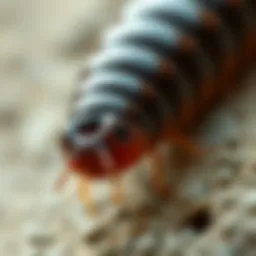
🌱 Discover the fascinating world of worms! This guide covers identification techniques, morphemic traits, habitats, and ecological roles of diverse annelid species. 🪱
Delve into Prolia's impact on kidney health. This analysis reviews studies on side effects, renal function, and implications for patients with renal issues.🩺


Explore bamboo's essential role in carbon sequestration 🌱. Delve into its unique biology, advantages over traditional methods, and practical applications for sustainability ♻️.
Explore the vital role of chest X-rays 📸 in medicine. Learn about techniques, applications, and interpretation for accurate diagnoses and technological advances.

Explore the CD117 antibody's role in cancer therapy and diagnostics. 🧬 Uncover its mechanisms, advancements, and significant implications in modern medicine.
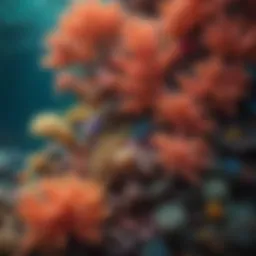
Discover the vital role of amino acids in coral ecosystems 🐠. Learn how they impact coral health, symbiotic relationships, and resilience to climate change 🌊.


Explore the intricate biological mechanisms of fracture healing. Discover phases, influencing factors, and modern therapies for comprehensive insights. 🦴✨

Explore the intricate landscape of genetic manipulation in humans. 🌱 Discover the advancements in CRISPR, ethical dilemmas, and future societal impacts. 🧬